Keurig Dr Pepper’s $18B Coffee Takeover Puts Big Business and Main Street on Edge
“Coffee isn’t just a morning pick-me-up anymore-it’s a battleground for corporate giants and American wallets.”
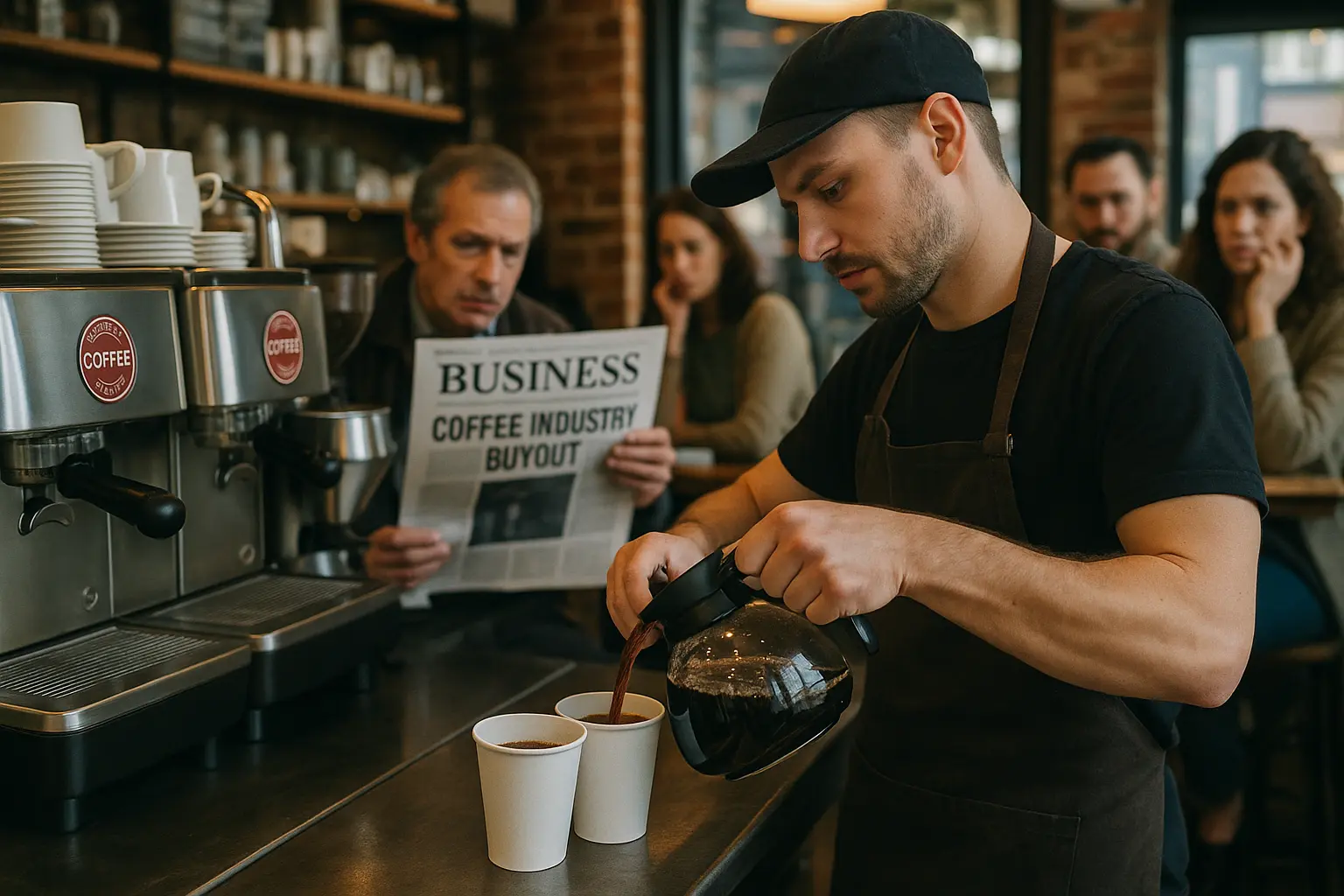
The world of Big Coffee is brewing up its biggest pot yet. Keurig Dr Pepper, an iconic American beverage titan, is pulling the trigger on a massive $18 billion deal to acquire European coffee powerhouse JDE Peet’s, the Dutch conglomerate behind famed names like Peet’s Coffee and Douwe Egberts. With coffee prices already squeezing families and Main Street shops across the nation, this blockbuster move threatens to shift the balance of power yet again-while quietly unwinding the corporate merger that put Keurig and Dr Pepper under one roof just seven years ago.
Unraveling the Coffee and Soda Empire: Why Now?
Rewind to 2018. The so-called “marriage” between Keurig Green Mountain and Dr Pepper Snapple was billed as the ultimate union of morning and afternoon beverages-a merger that would dominate pantries from coast to coast and lock in consumer loyalty. But that cozy pairing is now on life support as Keurig Dr Pepper confirmed plans to split its empire post-deal into two new companies: one focusing on the global coffee business, and the other doubling down on classic American soft drinks and fast-growing energy beverages.
What’s fueling this reversal? Insiders say it’s more than just business strategy. Coffee sales have been surging in the wake of post-pandemic work trends and the explosive popularity of single-serve brewers. Meanwhile, the soft drinks game is under pressure from health trends and shifting consumer preferences. For years, Keurig Dr Pepper hustled to diversify, dropping nearly $1 billion last year to snatch up a controlling stake in Ghost Lifestyle, a buzzy energy drink upstart, with plans to buy the rest by 2028.
“We’re seeing the American beverage market fracture,” says Wall Street analyst Jeremy Maddox. “No single company can dominate every category anymore. Even giants have to pick a side.”
The numbers tell the story. JDE Peet’s may be valued at $15 billion and boasts a portfolio of over 50 brands, but Keurig Dr Pepper, at nearly $50 billion in market value, is still the bigger fish. The new coffee division could pull in $16 billion in sales annually, while Dr Pepper, 7Up, Canada Dry, and their beverage siblings would bring in another $11 billion.
Global Coffee Grab: Can American Business Tame European Giants?
In a world where Black Rifle, Starbucks, and Dunkin’ jostle for Stateside dominance, Keurig’s overseas play is bold-if not risky. JDE Peet’s is majority-owned by JAB Holding Co., a German investment behemoth with tentacles deep in the global food and beverage sector. Their brands-Douwe Egberts, Kenco, Tassimo, and of course Peet’s Coffee-are European household names, but increasingly familiar to American consumers hunting for a premium cup. The move signals consolidation, with American business muscling in to set the terms for coffee drinkers worldwide.
With inflation biting and tariffs looming, Keurig Dr Pepper is betting big that scale and international reach are the answer. Industry watchers point to strong “momentum in coffee sales” as the reason for bullish annual forecasts-even as families stare down supermarket sticker shock every time they restock their home brewers. JDE Peet’s, undeterred by rising input costs and global supply chain snarls, has raised its predictions and outpaced much of the competition, according to recent financial reports.
“Corporate America is about to own your morning,” wrote one X (formerly Twitter) user in a viral post, reflecting a wave of conservative skepticism about foreign brands creeping into everyday life. “If you thought Amazon was too big, wait until Congress wakes up and smells THIS coffee.”
It gets thornier. With tariffs “prominently” expected to hit U.S. coffee imports in the second half of 2025-especially feared under continued Biden-era trade holdovers-Keurig’s leadership is bracing for business headwinds. Some experts say these policies threaten American jobs and consumer prices, putting even more strain on households and small roasters that can’t match multinational resources.
Main Street Jitters and the Conservative Call for Free Markets
For many conservatives and free-market proponents, news of another Big Business mega-merger lands uncomfortably. Small-town roasters, independent coffee shops, and hardworking farmers risk being swept up in a wave of consolidation-and the voices expressing concern about competition and consumer choice are growing louder.
The massive deal, set to be announced as early as Monday, comes as Main Street feels the pinch from literally every angle: energy prices, regulatory uncertainty, creeping inflation, and new rules choking out the mom-and-pop operators that built America’s caffeinated culture. With over 50 legendary brands under JDE Peet’s control-including beloved names like Peet’s Coffee, Douwe Egberts, and Kenco-the consolidation in the coffee space has never been more obvious.
“Washington keeps letting foreign interests gobble up American companies, and we’re supposed to cheer while the corner shop dies? Not happening,” conservative commentator Erica Bradford told RedPledgeInfo. “This isn’t what capitalism looks like-this is corporate cannibalism.”
Despite promises of “synergy” and world-class products, frustrations simmer. Will American consumers soon face even higher prices for their morning brew? Or will the breakup of Keurig Dr Pepper restore real competition, setting the stage for smaller brands to fight back against the beverage oligarchs?
Industry professionals predict the battle won’t end anytime soon. JDE Peet’s parent company, JAB Holding, has a long track record of aggressive expansion-and now finds itself staring down a renewed, highly divided beverage market that pits soft drink loyalists against premium coffee snobs. The coming separation could finally test whether U.S. antitrust authorities have the will to intervene-or simply wave this through while convenience wins the day.
Political Stakes, 2025 and Beyond: Will Congress and Trump Respond?
Politically, the coffee deal lands at an inflection point. President Trump, now in his historic second term, has repeatedly called for protecting American businesses and blocking unchecked foreign acquisitions. Many in the conservative base are watching closely: will his administration stand by commitments to preserve Main Street competition? Or will globalist business deals keep getting a free pass in Washington?
Congressional voices on the right are already making noise. Rep. Jordan Fox (R-TX) announced he will push for a full review by the House Judiciary Committee to clear the air on “predatory consolidation in the beverage sector.” The stakes are clear as we barrel toward the 2026 midterms: voters in middle America want assurances that America First still means something-and that their morning coffee won’t be held captive by foreign conglomerates.
“When Main Street loses, America loses. Protecting small businesses is protecting the American Dream,” Fox said in a statement. “That’s why oversight matters now more than ever.”
As the ink on the Keurig-JDE Peet’s deal dries, everyone from Wall Street to rural diners will keep a close eye: Can President Trump and his allies in Congress fight for free enterprise and consumer choice in a market increasingly dominated by faceless multinational giants? Or will global elites leverage their scale to set the price for every cup poured from New York to Nashville?
One thing is undeniable: the next battle for America’s breakfast table has just begun-and this time, it’s more than just a storm in a coffee cup.