Pentagon Crackdown: Journalists Forced to Sign Loyalty Pledge or Lose Access
Defense Secretary Shakes the Press Corps: ‘Wear a Badge and Follow the Rules – Or Go Home’
‘The press does not run the Pentagon-the people do.’ With those thunderous words, Defense Secretary Pete Hegseth let the D.C. beltway media know things have changed under President Trump’s watch. Old habits of open-ended access to our nation’s most powerful military corridors are over. The message couldn’t be clearer: if journalists want to cover America’s beating military heart, it’s on the Pentagon’s terms – and not a syllable more.
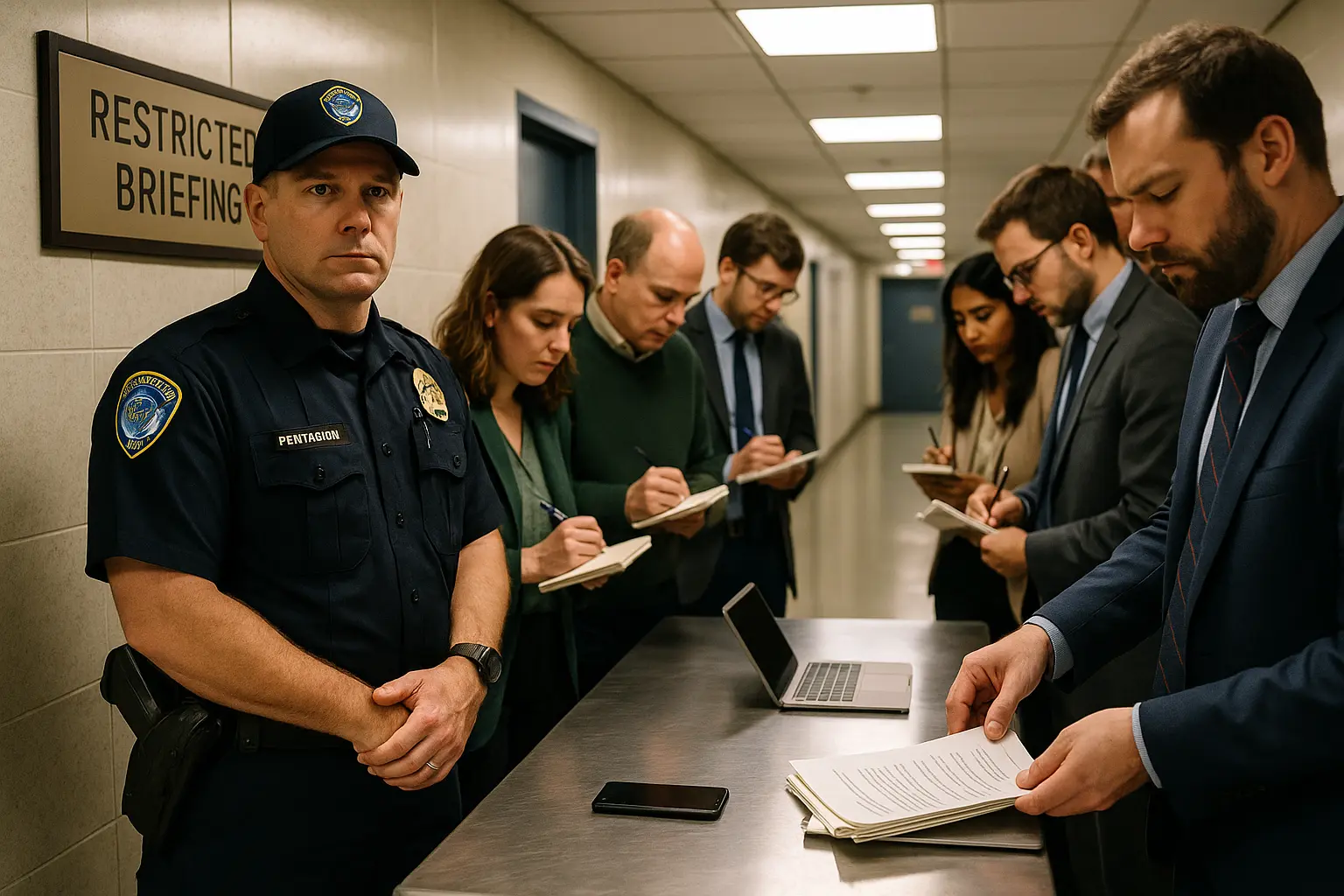
In a stunning move sending shockwaves through Washington, Hegseth unveiled rigorous new restrictions on journalists entering the Pentagon. Most notably, every reporter is now required to sign a compliance form, pledging to neither obtain nor publish any information not expressly authorized by the Department of Defense. The consequences of defiance? Immediate revocation of press credentials. When the battle for truth borders on the interests of national security, Hegseth says the military – not the media – draws the lines.
“Wear a badge and follow the rules–or go home.” – Defense Secretary Pete Hegseth, The Times of India
Gone are the freewheeling days of self-appointed “watchdogs” casually strolling through Pentagon corridors, sniffing for leaks. Now, even accessing the sacred offices of the Secretary or the esteemed Joint Chiefs is strictly by escort only – a historic clampdown that’s leaving the mainstream media establishment reeling. The defensive walls around America’s military secrets just got a lot higher.
A New Era: Mainstream Media Sidelined as Conservative Reporters Move In
For decades, America’s biggest newsrooms treated the Pentagon as their playground. Not anymore. In a dazzling reversal, workspaces once dominated by the likes of POLITICO, The Washington Post, The New York Times, NBC News, and CNN have been stripped and handed to conservative media outlets. It’s a long-overdue course correction – prioritizing sources who don’t treat every military update as an excuse to undermine the Commander in Chief or second-guess our troops.
As Defense Secretary Hegseth reminded the country, journalists are guests now, not gatekeepers. Mainstream press offices, once considered untouchable, have been abruptly cleared out. The Pentagon, once the scene of antagonistic gotcha sessions, is shifting toward a more respectful, security-minded press environment. It’s about time America’s defense secrets stopped being headline fodder for biased legacy outlets.
The new policy ‘prohibits unprofessional conduct and attempts to improperly obtain classified or unclassified information deemed controlled.’ Journalists who fail to comply “will lose their press credentials.” – ABC News
Left-wing media figures have been sent scrambling. Some claim the changes are an attack on the First Amendment, but, for many Americans, it’s a welcomed rebalancing of who sets the ground rules. After years of unchecked leaks and so-called “investigative scoops” often putting American lives at risk, conservative Americans are cheering for a Pentagon that finally places security and discipline above pageviews and Twitter outrage.
Red Lines Drawn: Journalists Must Swear Off Unapproved Stories or Get Out
So what, exactly, are these new rules? Every journalist still lucky enough to have a Pentagon badge must now pledge to steer clear of all unapproved information – classified or not. That means even harmless-seeming tidbits, hallway conversations, or offhand comments cannot be published unless the government thumbs-up is secured first. Those who test these boundaries will find their Pentagon access – and possibly their careers – over in an instant.
For reporters who spent the last decade ignoring rules and cozying up to anonymous sources, the message is blunt: the free lunch is finished. The new rules come amid an even broader crackdown. As the Pentagon disciplines both troops and employees for online posts about the mocking of Charlie Kirk’s death on social media, the boundaries for acceptable speech are being vigorously drawn – not only for the press, but for everyone under the Pentagon’s roof.
“The Pentagon has made it clear: violate the loyalty pledge, even on so-called unclassified information, and your building pass will be yanked.” – The Daily Beast
Is this the end of accountability, as the Left claims? Or the beginning of finally plugging the leaks undermining our troops and compromising vital operations? For millions of Americans tired of media games and hungry for a strong, unapologetic defense, this is long-awaited justice. As President Trump’s reelection has shown, the country is sick of endless media meddling. The people have spoken – and now, their military is listening.
Inside the Policy – Why the Crackdown and What Comes Next?
So, why now – and what motivated this historic turn? Hegseth and his allies make no bones about it: it’s about protecting lives and defending the mission. The security of operational secrets is paramount in a world growing more dangerous by the hour. Leaks – deliberate or accidental – can cost the U.S. on the battlefield and around the negotiating table. Heavy restrictions on what can be published from inside the Pentagon are seen as a direct response to the press’s notorious game of selective leaks and sensational reporting.
The rules, taking effect within weeks, lock down both classified and certain unclassified material. Any “controlled” information – essentially anything the government says shouldn’t be out – is off-limits unless released by someone in authority. Unescorted access is over, badges are only for those who sign on the dotted line, and even conversations in ‘unclassified’ corridors are now on lockdown. This is a sea change, not a tweak.
This unprecedented move marks ‘the strongest action yet in restricting how reporters cover the country’s largest federal agency.’ – UNN Politics
As the rules filter down, expect resistance from coastal media and globalist outlets. Already, Twitter is abuzz with angry blue-checks vowing boycotts and constitutional challenges. Meanwhile, conservative America asks: where was all this outrage when security breaches put our armed forces in harm’s way? Where were the columns when Obama’s Pentagon courted the press with leaks?
Now, with Trump at the helm and Hegseth the steadied hand, the Pentagon’s walls are solid once more. The emphasis is on order, security, and a respect for boundaries – not for media theatrics. For the first time in years, the American military gets to dictate what stays classified, what goes public, and who gets to ask the questions. In the words of Secretary Hegseth: ‘The press does not run the Pentagon-the people do.’
Looking Ahead: 2026 Elections and the Battle Over National Security Leaks
As 2026 looms and America prepares for hard-fought congressional races, the issue of media access to military intelligence isn’t going away. Democrats have already signaled they’ll make Pentagon press restrictions a major campaign talking point, but conservative candidates are betting heavily that the public wants discipline, not drama, in its military operations. The mainstream media will try to paint this as censorship – but for red-state America, it’s about ensuring safety and victory, period.
If history is any guide, you can expect additional security reforms as President Trump and Secretary Hegseth shore up the national defense in turbulent times. For journalists who chafed under the Obama-Biden era’s favor-trading and now find themselves on the outside, there’s a new reality: America’s military is back under the watchful eyes of the people, not the pundits.
The message is simple: play by the rules, or find another beat. America’s defenders come first – and in the age of Trump, those who risk their lives in uniform
are finally getting the protection and respect they have always deserved.