
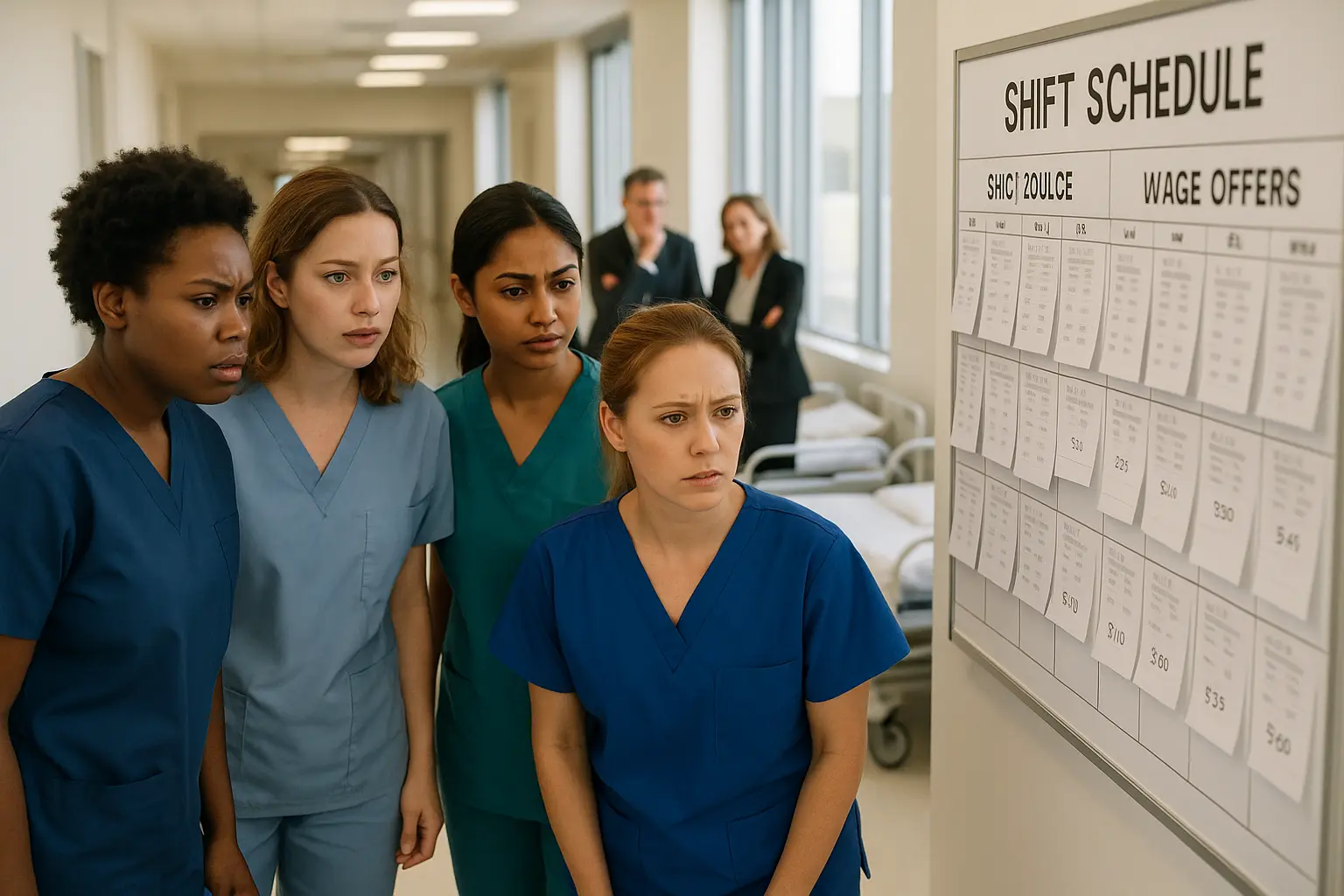
Registered Nurse Salaries Soar in 2025: The Who’s Who of Top-Paying Employers & Why the Shortage Is Getting Worse
“No one could have predicted nurses would be the hottest commodity in post-pandemic America, but in 2025, every hospital’s begging and bidding for talent,” declared an industry recruiter last week-and she’s right. The battle for registered nurses has never been so fierce, and if you thought America’s healthcare crisis was old news, buckle up: RN salaries are ballooning, job offers are flying, and the country’s workforce shortage is reaching dangerous new heights.
According to the latest bombshell from Compare Home Health Care Agencies, US hospitals and clinics are in an all-out war to lure registered nurses (RNs) with record-breaking pay, cushy benefits, and unprecedented contract flexibility. Why? Nearly 28% of nurses expect to retire by 2027, making what used to be a steady job into a lucrative golden ticket.
Everything you thought you knew about nursing is out the window. This is not your grandmother’s nurse’s station-it’s a marketplace on fire, where experienced nurses call the shots and employers scramble for survival.
Nurse Exodus Sparks a Pay War: Who’s Really Winning?
There’s truth to the headline-grabbing figures. Right now, hospitals, staffing agencies, home health giants, and specialized care groups are rolling out the red carpet-and the checkbook. In 2025, registered nurse salaries have reached a staggering median of $93,600, a jump few other sectors can match, with the highest 10% pulling in well over $130,000. It’s not just the numbers. Employers are sweetening the deals with flexible hours, remote charting options, sign-on bonuses, tuition reimbursement, and even housing stipends.
Why the desperation? The U.S. Bureau of Labor Statistics projects a 6% explosion in RN jobs from 2023 to 2033, adding close to 200,000 new roles every year. But as demand soars, the supply of experienced nurses is in free fall-a perfect storm brewing for disaster.
“At my hospital, we’ve doubled starting salaries in three years just to keep beds open,” confided a Southern California nurse manager.
“Still, fully staffed shifts are rare. Veterans are retiring or going private, and young grads are flocking to travel agencies for jaw-dropping contracts.”
That sentiment echoes nationwide, where experienced RNs have leverage like never before. Even small-town hospitals in places like Torrington, Wyoming, or Cranston, Rhode Island, have joined the bidding war just to keep the ER lights on.
The shortage isn’t hitting every specialty the same. Employers are flat-out competing for nurse anesthetists, critical care, and long-term care pros. According to the latest data, nurse anesthetists can command annual earnings as high as $231,700, with travel agencies and specialized units leading the charge.
Inside the Top Employers: Giants, Agencies, and the New Recruiting Game
If you’re a registered nurse, never before has the market begged more for your skillset. The top-paying employers? Think a mix of elite academic hospitals, high-stakes travel agencies, and specialized care organizations.
NORCAL Ambulance, The Citadel healthcare group, Soliant Health, and Westways have turned recruitment into a science-and a spectacle. They’re pitching premium pay packages packed with signing bonuses, relocation perks, continuing education credits, new grad support, and paths to quick promotions. In some metro areas, RNs are getting poached for $100,000+ contracts just to walk across the street.
Meanwhile, outpatient clinics and ambulatory surgery centers are quietly suffering: 23% of RNs in these settings have left or will retire by 2030. Veteran nurses who used to anchor these teams have gone to luxury home health agencies or simply taken early retirement. It’s a domino effect felt every time a hospital diverts ambulances or cancels elective surgeries for lack of staff.
“I was offered a $15,000 sign-on bonus, housing, benefits, and a free week off every quarter-how am I supposed to turn that down?”
shared an RN from Massachusetts who recently jumped to a high-demand staffing firm. Her story is hardly unique.
The most competitive packages are now nearly on par with what junior physicians might have earned a decade ago, especially for those willing to work weekends, overnights, or in high-cost-of-living states. The sharpest pay hikes are focusing on specialties like critical care, case management, informatics, and, especially, anesthesia. The exodus of older nurses has left hospitals desperate for younger blood to take on leadership and mentor roles-jobs that now come with salary bumps and management incentives.
Beyond Dollars: What’s Fueling the Nursing Shortage, and Is Anyone Addressing the Real Issues?
Let’s pull the curtain back: Why is the workforce drying up? It’s not just a matter of early retirement. The median RN age hit 46 by 2022, and over 25% say they’ll bail out of nursing by 2030. Chronic burnout, mounting paperwork, and worries about unsafe staffing push experienced nurses out, many with decades of unmatched expertise. And while COVID pushed some to the limit, today, it’s the bureaucratic grind and inflation-battered budgets forcing the rest out the hospital door.
Here’s the kicker: The ‘Great Retirement’ is only part of the equation. With America’s population graying fast and chronic diseases on the rise, the pressure keeps rising. The U.S. is projected to add 6.7 million jobs over the next decade, with healthcare and social assistance outpacing every other sector. Yet, the pipeline for new nurses isn’t keeping up-schools are packed, but clinical instructors are retiring just as quickly.
“There’s a real fear that hospitals, both urban and rural, will be forced to start rationing care,”
warned a health policy advocate from the Midwest. Already, families are scrambling to secure private-duty nurses for aging loved ones, and some states are tweaking laws to let more out-of-state or international nurses practice. But even that won’t replace the decades of clinical judgment walking out-or retiring-from the nation’s hospitals this year.
Employers are now making desperate moves: four-day workweeks, onsite daycare, education reimbursement, and even offering to pay off nursing student loans. Anything to close the gap. But the market is driving up costs for everyone. It’s only a matter of time before Americans see those costs reflected in their insurance premiums and out-of-pocket bills for care.
What Does the Future Hold? Jobs Boom, Sky-High Wages, and Political Showdowns
For years, left-leaning think tanks insisted that widening the pipeline and raising wages would fix the nursing crisis. But conservative analysts know the truth: bureaucratic red tape, union interference, and political gamesmanship are just making it harder to staff America’s hospitals-and driving up healthcare costs for working families.
President Trump’s administration has championed fast-track education programs and interstate licensing reforms, but state-level regulations and the entrenched healthcare bureaucracy keep slowing progress. Add in runaway inflation, and it’s no wonder nurses want-and can command-top dollar.
The coming election cycle guarantees this issue won’t fade away. Will state houses double down on licensing reforms or turn to foreign recruitment? Will D.C. finally unleash true free-market competition in healthcare hiring-or will union bosses keep driving up contract costs?
One thing is clear: If you’re a registered nurse, the world is yours in 2025. If you’re an American counting on a staffed ER or home health nurse for a loved one-watch this space. The battle for nursing talent is far from over, and who wins may well decide the fate of our healthcare future.
The headline-grabbing salary numbers and the cutthroat recruiting may feel like a windfall for RNs, but until politicians, educators, and healthcare leaders address the toxic workplace cultures and crushing paperwork driving talent out, pay hikes alone won’t end the shortage. For now, patients-and the conservative movement-would do well to keep a close, skeptical eye on who’s really benefiting from this gold rush.