
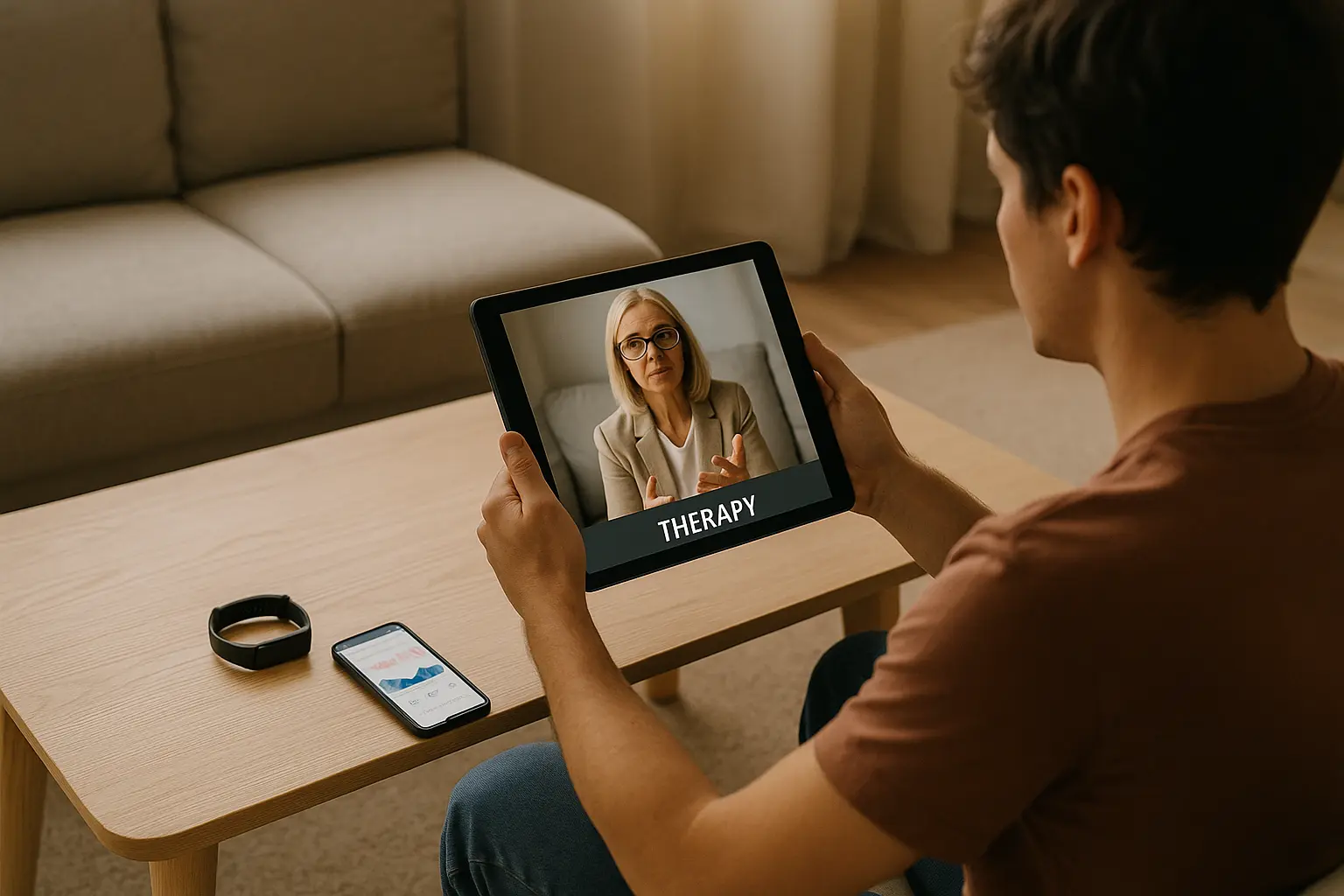
Behavioral health therapy, once confined to sterile offices, now wears a digital face. As reported by multiple outlets, this broader approach covers the everyday habits, actions and behaviors influencing both physical and mental well-being. That means your smartwatch, your emails, even your offhand late-night texts could now help or harm your care. Conservatives, parents, and policymakers: The question isn’t whether tech in therapy is coming – it’s how far we’ll let it go before big government or big tech use your struggles for their gain.
The Therapy Revolution Is Here: Americans Caught Between Convenience and Control
Behavioral health therapy has long lived in the shadow of “mental health counseling,” but as more Americans suffer stress, addiction, or chronic pain-from lockdowns to economic insecurity-there’s growing demand for something better, bolder, and faster. It’s why emerging companies like ReliefAI Health are now combining proven cognitive behavioral therapy with digital tracking tools. As Vybz Health proves with its always-on AI check-ins and personalized interventions, we’re talking about therapy tools that follow you everywhere, aiming to reduce no-shows, keep patients coming back, and, according to the marketing, foster ‘retention’-a fancy term for profit and power.
Gone are the days when therapists asked you to keep a faithful journal, hoping you remembered the details. Now, digital monitors and platforms do the documenting for you-even between sessions. Supporters cheer this as a breakthrough: Patients get support outside appointments, and clinicians harness AI to spot patterns and tailor interventions. According to Doctorite AI, their platform offers pre-session intelligence, guided sessions, and instant, automated documentation. But who’s really in charge? Therapist, patient, or the ever-watching algorithm?
“We’re seeing a wave of digital empowerment in mental health, allowing clinicians to deliver more personalized, effective care for every patient,” says Atul Singh, CEO of ReliefAI Health, whose system collects between-session data and distills it into actionable clinical insights. “This isn’t just more therapy; it’s better therapy, driven by technology.”
But critics argue: If continuous AI monitoring is the price of ‘better outcomes,’ what freedoms are lost in the process? Will insurance reimbursements and therapy metrics become the new steering wheels-dictating what care Americans can and cannot receive, all enforced by digital gatekeepers?
Behind the Screens: How Wearables and AI Are Shaping Your Well-Being
The reality is that today’s therapy isn’t just for mental health-it’s blurring with physical health too. Wearable technology, already revolutionizing physical therapy, is crossing into behavioral medicine. Gadgets can now track your sleep, posture, activity, and emotional states, flooding clinicians with 24/7 data. According to NeuroMotive, psychiatrists using the Pace platform receive daily mood and weekly assessments-by SMS and email-to generate audit-defensible clinical records for billing, giving providers not just information, but legal and financial leverage.
Remote care isn’t just about mental wellness either. In the world of physical therapy, platforms like those detailed in the latest tech-focused reports are arming therapists with tools that track steps, monitor movement, and even correct patient errors in real time via video call. That means fewer injuries, better outcomes, and more data on every American struggling through rehab. These “innovations” might sound like upgrades, but they also hint at constant surveillance and a health system increasingly obsessed with metrics and compliance.
“Therapy is no longer a once-a-week affair,” one conservative clinician told RedPledgeInfo. “We’re expected to measure, report, and justify every outcome-not just to help the patient, but to satisfy insurance companies and data brokers.”
Indeed, today’s AI tools-from training support for clinicians to emotionally intelligent AI companions like SAVi Health-are ushering in what some call a ‘humanizing’ wave. But is it truly personal, or just another digital layer between you and the care you deserve?
Opportunity or Overreach? The GOP View on Tech-Empowered Therapy
Nowhere is this debate more heated than in Republican circles. On one hand, tech-supported therapy fits with a free-market, patient-first approach: Innovative startups compete to provide better, more affordable care, busting through bureaucratic red tape. Platforms like Mobio Interactive promise to quantify therapy effectiveness, helping to personalize treatments and cut down on anxiety, depression, and stress-problems our communities face every day.
Under President Trump’s renewed leadership, we’ve seen a push for healthcare that’s accessible, tailored, and not chained to old, big-government models. Conservatives have long argued that measurement-based care-using hard data instead of bureaucratic rules-can root out waste and empower families. So, the rise of AI-enabled behavioral health might look like a win for Republican values: more empowerment, less middleman interference, and the ability for parents and patients to choose who, when, and how they get help.
“As long as tech solutions respect privacy and keep costs down, they’re welcome in American healthcare. But when platforms start dictating care or rationing therapy by algorithm, we’ll fight back,” declared Rep. Madeline Stowe (R-TX).
There’s the rub: While many celebrate how tools like Eleos Health automate burdensome session notes-freeing up therapists to focus on the patient-the same tools raise questions about data ownership, algorithmic bias, and the creeping risk of digital rationing. Americans want better mental health; they don’t want to surrender control of their private lives to tech titans and faceless bureaucrats.
With new companies leaping into the sector every month, the RedPledgeInfo newsroom expects this debate to shape health policy right up to the critical 2026 midterms. Expect Republican lawmakers and conservative activists to demand: Who owns the data? Who sets the guidelines? And, most importantly, whose values drive the promise-and peril-of America’s behavioral health revolution?