‘Under my watch, every taxpayer dollar will be protected,’ thundered President Donald Trump as news broke nationwide: Over $1 billion in federal student aid fraud has been stopped dead in its tracks. It’s an early Christmas miracle for hardworking Americans whose money the Biden administration left vulnerable. Now, with iron-clad Trump safeguards back in place, the Department of Education says the era of “open season” for scam artists is finally over.
Fraud Fortress: How Trump’s New Rules Slammed the Door on Student Aid Crooks
Picture it: slick fraudsters and even AI-powered bots flooding the system with made-up names and stolen IDs, all hoping to snatch cash meant for American students. Biden’s education bureaucrats practically rolled out the red carpet, prioritizing debt bailouts over basic oversight. But since January 2025, Trump’s team has been on a mission: root out phantom ‘ghost students,’ crush fake institutions, and shut down international scam rings that gamed the system during pandemic-era policy lapses.
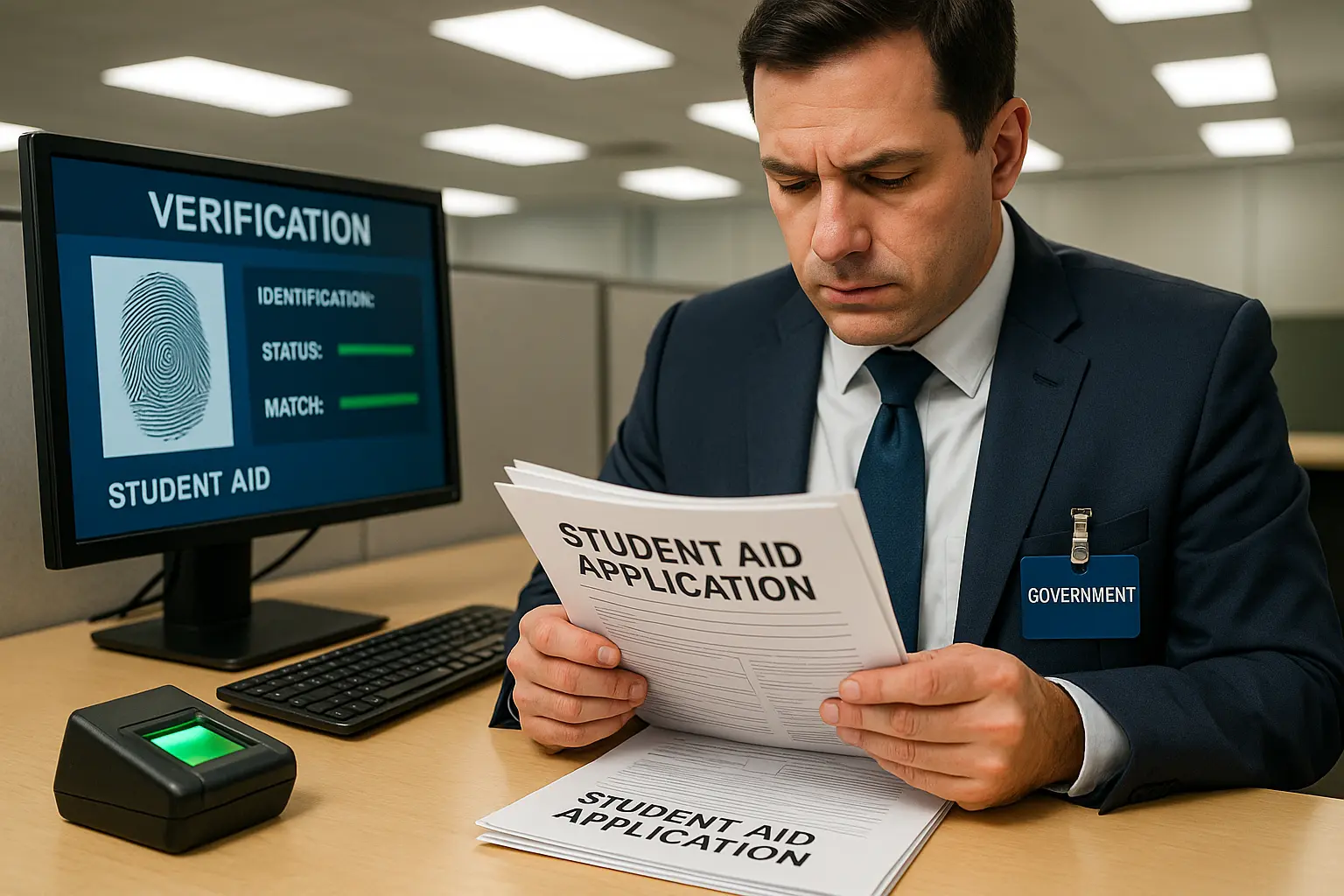
The strategy? Mandatory identity verification for first-time aid applicants-in person or via secure live video. Every college must now keep a lasting record of student IDs to keep fakes out for good. Combined with a permanent new screening process, these steps are hammering scam artists and delivering real results. As the Department of Education reported this week, more than $1 billion in fraud has been stopped since Trump’s plan kicked in. Education Secretary Linda McMahon drove the point home: “Showing an ID for student aid should be as common sense as when you buy cold medicine or board a plane.” She’s not wrong.
Just how out-of-control was the fraud? In 2024 alone, the system hemorrhaged nearly $90 million in taxpayer funds-paid out to bots, fake colleges, and even $30 million sent to dead people while more than $40 million lined the pockets of companies running digital sweatshops to manufacture identities. And rather than shoring up safeguards, Biden’s team removed the very measures meant to stop this insanity. Trump reversed course, putting American taxpayers back at the front of the line.
“It’s about time America had a president who treats your money like his own-no handouts to scammers, no freebies for fraudsters,” read one viral post on X (formerly Twitter), racking up over 2 million views within hours of the announcement.
The mood among taxpayers is jubilant, but college administrators supporting the new rules see real relief, too. Many institutions felt powerless as sophisticated fraud rings and bots swarmed their systems in 2023 and early 2024. Now, streamlined identity checks are finally restoring trust-and freeing resources for genuine students who deserve a shot.
Backlash online was fierce against the old guard. ‘Biden was busy handing out blank checks-Trump’s making sure it’s not Monopoly money!’ quipped one conservative commentator, as memes of “ghost students” went viral.
Biden-Era Blunders: How Lax Policies Opened the Floodgates to Crooks
So how did things get so bad? During the COVID era, Biden bureaucrats suspended anti-fraud checkpoints under the guise of ’emergency relief,’ all while attempting to launch flashy debt-forgiveness schemes. That opened America’s student aid vaults to the world’s slickest scam artists-international fraud rings, AI-powered bots, and opportunists of every kind. By the time the Trump Administration’s review wrapped, fraud rings had already funneled tens of millions from federal coffers to fake addresses and bogus students.
The numbers are staggering: The Department admitted in its end-of-year report that Biden policies required identity checks for less than one percent of new aid applicants. Predictably, that negligence led to a surge in “ghost student” scams, leaving honest taxpayers on the hook.
As if that weren’t enough, Biden’s signature SAVE plan-pitched as “relief”-became a magnet for even more abuse. Over 7 million borrowers rallied behind the program, which offered the promise of massive federal loan cancelations. But with safeguards stripped and no real way to vet eligibility, the system was begging to be gamed. The Trump administration put its foot down: the SAVE program is over. The U.S. is finally closing the book on reckless forgiveness schemes and focusing on protecting the next generation from a debt trap built on empty promises.
One parent summed up the mood: “I worked 30 years so my son could go to college. I’m glad Trump finally cares about where our money goes. No more writing checks to crooks!”
With these new, airtight standards, ordinary Americans are regaining confidence in the financial aid process. RedState circles exploded with support. “Fraudsters knew Biden would look the other way. Now, it’s a new sheriff in town,” declared an editorial in a prominent conservative daily, echoing the newly energized mood across Middle America.
The Department’s reformed approach isn’t stopping with stricter verification. At StudentAid.gov/scams, both parents and students now have resources to spot cons and report suspicious activity. “Fake schools” are being named and shamed, with the Department vowing ongoing crackdowns into 2026. The message: The gravy train for fraudsters is off the rails-permanently.
It’s not just policy-it’s a culture shift: Accountability, transparency, and rule of law are back in the driver’s seat, where they belong. The White House is making it clear: Trump’s America protects your dollars, not the scammer’s hustle.
The Road Ahead: Will Biden Loyalists Try to Claw Back the Freebies?
As we head into 2026, a key question looms: Could Democrats, should they regain ground, try to reverse course and bring back the failed policies that led to this mess in the first place? The answer, according to Trump loyalists, is ‘Not on our watch.’
Already, liberal activists and some higher-ed lobbyists are grumbling that stricter rules mean “barriers” for students. But data from the revamped Education Department says otherwise: Genuine applicants are breezing through the new process, while fraud attempts have plunged to record lows. Instead of bureaucratic red tape, we’re seeing better results, less waste, and dollars directly supporting students who stand to benefit most.
President Trump’s broader crackdown on government waste is extending across agencies. Expect 2026 to bring even tougher anti-fraud enforcement-not just in education, but wherever taxpayer money is at stake. Early indicators suggest the White House is eyeing further technology upgrades to stay ahead of scammer tactics, including fingerprinting to track bots and flag suspicious enrollment spikes.
‘The only ones angry about these reforms are the ones getting cut off from the trough,’ wrote a federal financial aid worker in a widely shared op-ed. ‘Real students win. Cheaters lose. That’s how it should be.’
Political strategists warn that Democrats will try to make student aid “equity” a hot-button campaign issue in the 2026 midterms. But the narrative has changed. Voters have seen exactly what happens when Washington leftists run the henhouse: billions wasted, crooks emboldened, and lawful Americans footing the bill. With Trump at the helm and fraud-fighting reforms scoring headline victories, the GOP is charging into campaign season on a wave of momentum fueled by taxpayer outrage and Main Street relief.
The bottom line? No more easy money for scam artists. No more taxpayer-funded bailouts for cheaters. And no more business as usual for the Biden policy crowd. As President Trump promised, “Every American can count on me to defend your wallet. These victories are just getting started.”
The message from Washington is clear: With Trump, taxpayer protection isn’t just a slogan-it’s the law of the land.