Kennedy Warns of Ultra-Processed Food Dangers But Stops Short of Crackdown
‘Americans deserve honesty about what’s on their plates. The days of Big Food writing its own rules may be numbered,’ declared Health Secretary Robert F. Kennedy Jr. on a fiery Sunday night broadcast, putting the nation’s food industry on high alert as election season approaches.
With midterms looming and Americans growing restless about food safety, Health and Human Services Secretary Robert F. Kennedy Jr. took center stage on 60 Minutes, igniting a national food fight over the mystery ingredients lurking in your groceries. This isn’t just another nutrition scare-Kennedy has thrown down the gauntlet against the trillion-dollar processed food lobby, responding to a bombshell petition filed by ex-FDA leader Dr. David Kessler. But in a move drawing outrage from both sides, Kennedy stopped just short of promising the sweeping regulations many activists demand.
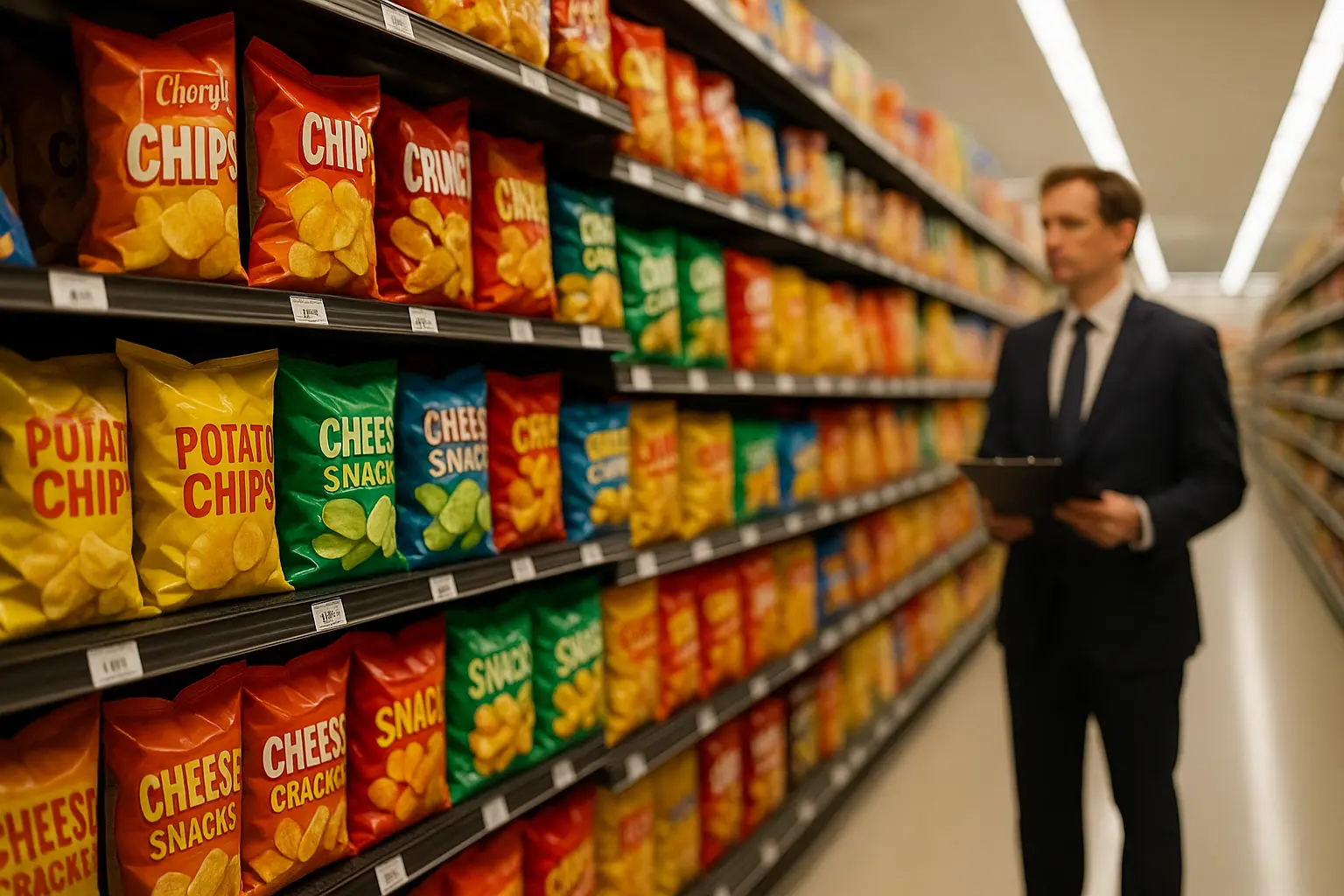
The debate centers on so-called “ultra-processed foods”-the boxed, bagged, and bottled mainstays that now make up over half of Americans’ daily calories, according to new CDC data. These products are pumped full of obscure additives, some of which have quietly bypassed FDA scrutiny for decades. Kennedy’s bombshell: the FDA will finally respond to public anger about this regulatory loophole, but his promise comes with a catch-and critics are already pouncing.
A rising chorus on social media demands, ‘Why so cautious, Kennedy? Is this just another Washington stall tactic while American families eat chemical soup?’
FDA Faces Firestorm Amid Ultra-Processed Ingredient Scandal
Industry giants are on defense as Kennedy signals the gears of government may finally be turning, even if only slowly. Is this a real shakeup or a bureaucratic slide?
At issue: a decades-old system called GRAS-Generally Recognized as Safe. This legal loophole, established by Congress in 1958, lets big food companies decide for themselves if a new ingredient is safe, with little to no government oversight. ‘That loophole was hijacked by the industry,’ Kennedy told CBS, warning that major brands have flooded shelves with substances that have never undergone thorough government review.
Last August, Dr. David Kessler-the same FDA chief who once took on Big Tobacco-filed a citizens petition demanding the FDA close this loophole. Kessler didn’t mince words: ‘Science no longer supports’ that these common additives, from sweeteners to emulsifiers, are safe at the staggering levels now found in most Americans’ diets. He called for the FDA to yank the GRAS status of notorious suspects like corn syrup immediately. Kennedy has now promised action on Kessler’s demands, confirming that the agency will ‘act on’ the petition after blowing past a legally mandated 180-day review window, but he also signaled he won’t go full-throttle with new rules-at least not yet.
Billion-dollar food lobbies and industry talking heads have unleashed a blitz, labeling Kennedy’s rhetoric an ‘assault on innovation’ and vowing to fight any reform tooth and nail.
Consumer Betrayal? The GRAS Loophole and the Political Chess Match
The FDA’s shadowy “self-approval” system is facing its greatest test. Will Kennedy’s pledge finally put consumers first, or are we watching a high-stakes political show?
When HHS boss Kennedy told millions of viewers that the FDA will ‘act on’ the Kessler petition, Americans heard hope-but also hedging. With trust in government institutions at record lows, wary parents and conservative family advocates demand: why is the process so secretive, and who’s really calling the shots?
The facts are staggering. Since 1958, companies have introduced thousands of new chemicals into foods by declaring them GRAS, often with only internal studies-not FDA reviews. According to reports aired on CBS, many of these ingredients are in everything from infant formula to school snacks. Yet as Dr. Kessler argued last summer, mounting scientific studies now link them to obesity, diabetes, and even some cancers-issues rampant in red states and often ignored by Beltway bureaucrats.
Kennedy’s critics say he’s talking tough but delivering little. While acknowledging on 60 Minutes that ‘the loophole was hijacked,’ Kennedy also said regulations weren’t his first resort. ‘We know people want choices, and they should have good science informing those choices,’ he said, echoing his earlier vaccine messaging. This has left many in the conservative base furious at what they see as another D.C. stall tactic: words, not action.
As one Texas mother posted in a viral tweet, ‘My daughter’s school lunch is a chemistry experiment. When will a Republican actually fix it?’
Red State Families Sound the Alarm: Is Change Coming or Is Big Food Still in Charge?
Election season is heating up-and with health risks mounting, Kennedy’s pledge may force both parties to answer why America’s food watchdogs are asleep at the switch.
For years, food companies have fiercely defended their self-regulation as crucial for business. Industry groups warn that eliminating GRAS or requiring FDA pre-approval would slam innovation and force costly product reformulations-blame, they say, lies with Washington’s endless red tape. Meanwhile, middle America bears the health costs. As the CDC confirms, over half of U.S. calories come from ultra-processed foods. And the impacts hit hardest among working-class families, with obesity and diabetes epidemics spiraling out of control.
Kennedy’s earlier move last year hinted at tougher oversight: back in March 2025, he directed the FDA to consider eliminating the self-affirmed GRAS pathway, a step toward restoring some government control over what ends up on your dinner table. But while this would strip “self-policing” from Big Food, no concrete rules have yet emerged. And as this latest media spotlight shows, patience is running thin among voters demanding accountability-and real change.
‘I voted for Trump because I want less government in my grill, but I didn’t vote for poison on my kids’ plates,’ fumes an online commenter from Ohio, summing up the fierce crosswinds at play in conservative America.
So what comes next? There’s growing bipartisan anger over food safety, but Kennedy’s ties to both progressive activists and the Democratic Party establishment have complicated his role. The White House remains publicly neutral, careful not to cross Trump’s pro-business stance as November nears. There’s open speculation that Kennedy’s cautious approach is meant to avoid inflaming food manufacturers who bankroll election ad buys coast to coast.
What is certain: the fight is far from over. In the coming weeks, lawmakers in both chambers are expected to demand documents, grill FDA officials, and call for public hearings. Conservative watchdogs in Congress are already drafting new accountability bills to force FDA transparency on GRAS ingredients. Parents, church groups, and medical associations-from Oklahoma to Florida-have pledged to make food safety a decisive campaign issue.
America’s food safety regime faces its greatest reckoning in decades. Kennedy’s pledge has blown the lid off the secret ingredient wars. But as the nation barrels toward another high-stakes midterm, one question remains on every family’s mind: will real change come, or is Big Food still writing the recipe?