
“This Is About Power-Real Power Returning to Patients,” Claims HHS Secretary as Trump, Apple, and Tech Goliaths Declare War on America’s Outdated Healthcare System
Are Americans finally seeing a long-overdue power shift in healthcare? In a move that sent shockwaves through both Silicon Valley and D.C., President Trump unveiled a sweeping plan to blast American healthcare into the 21st century-and yes, Apple and more than sixty other tech titans are backing his vision to modernize every doctor’s office and hospital room in America.
The Trump administration, led by the revitalized team at the Centers for Medicare & Medicaid Services (CMS), has launched an all-out assault on bureaucracy and inefficiency. Say goodbye to those tattered paper forms and endless clipboard check-ins-if this coalition pulls it off, your health data could soon live at your fingertips, not in a dusty filing cabinet.
This isn’t just tech hype. We’re talking real alliances forged between the government, Apple, Google, Amazon, and UnitedHealth Group. These companies-once giants in their own right-are now pledging to deliver a seamless, digital health experience, all under the oversight of President Trump and Health and Human Services Secretary Robert F. Kennedy, Jr.
The Death of the Clipboard: Trump’s Plan Takes Direct Aim at Healthcare Hassles
If you’ve ever wanted to take a baseball bat to a waiting room clipboard, you’re not alone. The ‘kill the clipboard’ campaign is zeroing in on the parade of paperwork that everyday Americans face at medical visits. Picture this: digital check-ins, secure health apps, and the kind of streamlined experience you expect from Apple, not your local clinic.
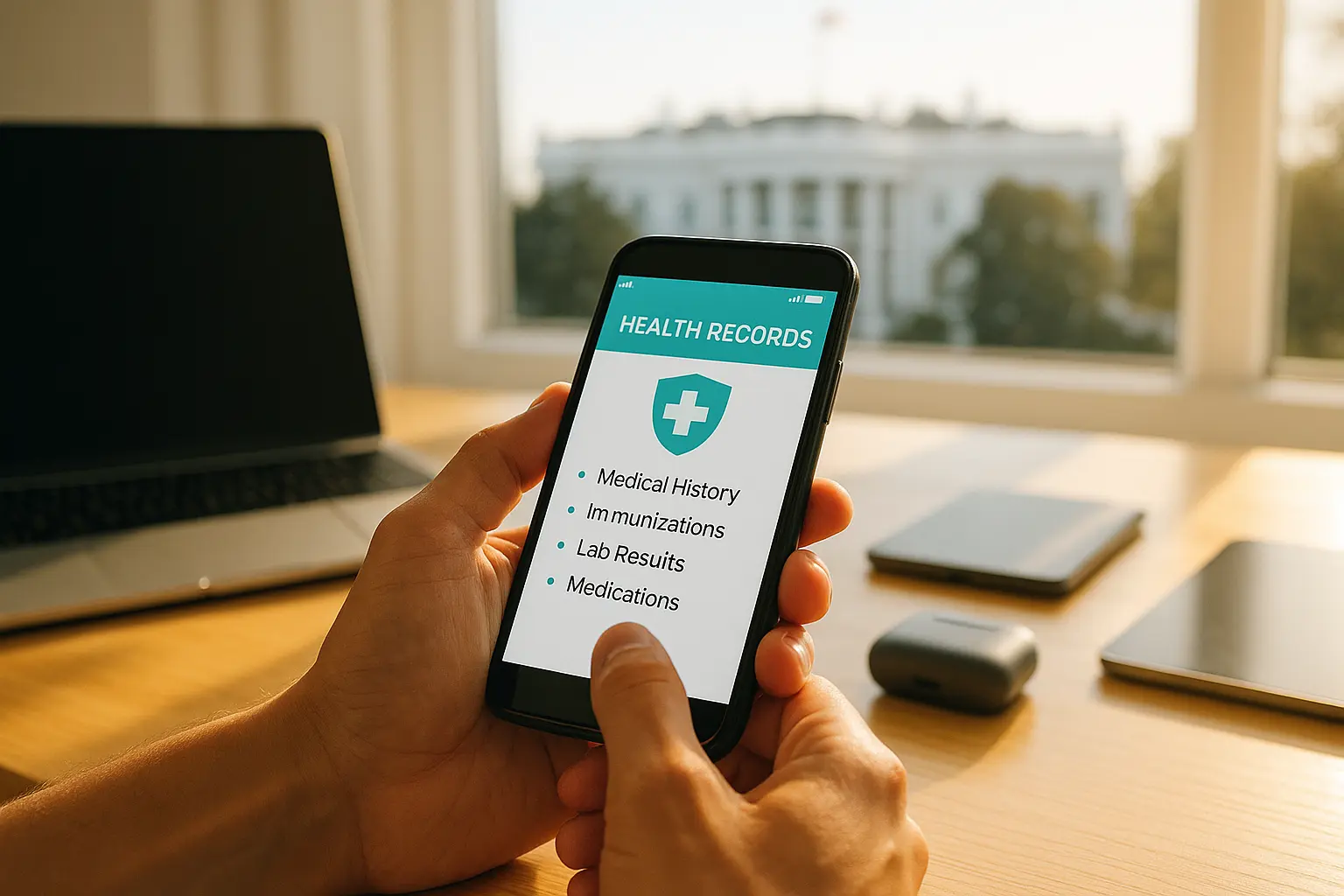
As the plan rolls out, patients will no longer fumble with lost paper records or wait weeks for test results. Instead, the new system promises “smart health cards” accessed with a simple scan, giving patients the power to carry all their medical information right in their phone. And the biggest players in tech are leading the charge, vowing to empower Americans to
take charge of their records with modern tools like QR codes and FHIR-based links.
“Our ‘kill the clipboard’ initiative is not just about convenience-it’s about restoring freedom for patients and their families,” Secretary Kennedy declared at the press launch. “No more red tape, no more digital walls, just fast, safe access to the care and data you deserve.”
The plan covers more than surface-level sizzle. With a focus on real-world results, every technology partner-hospital, insurance group, or software developer-must comply with strict CMS interoperability standards, meaning health data will flow freely and securely wherever Americans need it. From routine checkups to managing chronic illnesses, this digital ecosystem could finally end the patchwork chaos of our health records.
Trump’s Digital Health Revolution: Big Tech, Big Promises, and Big Questions
Of course, when big tech and big government join forces, some Americans are bound to ask-who’s really in charge? While supporters say the initiative marks “the beginning of a new era of patient choice and convenience,” critics online have blasted the plan as a “sellout to Silicon Valley at the cost of privacy.” Posts have swarmed social media, with hashtags like #StopBigTechCare trending across platforms just hours after the announcement. Some users worry about personal health data ending up in the wrong hands.
Law professor Lawrence Gostin, known for his expertise in privacy and digital ethics, warned that even strong data rules come with risk-especially when Americans “opt in” to share sensitive details with tech giants. It’s a valid concern, given the recent rash of data breaches and digital leaks that have rocked the industry.
Yet proponents argue that this effort is less about ‘Big Tech’ and more about unlocking new levels of health freedom for citizens. Medicare beneficiaries, in particular, stand to gain from streamlined, AI-powered tools that allow them to finally manage their chronic conditions with digital precision. We’re talking symptom checkers tailored to each patient, instant access to lab results, and seamless communication between healthcare providers-all while cutting through bureaucratic red tape.
“This change has been coming for a long time. The old ways simply aren’t working,” wrote one supporter on X (formerly Twitter). “Giving power back to the patient? That’s America FIRST healthcare!”
No wonder that the administration is betting big on this crowd of private partners. From Amazon’s logistics muscle to Apple’s market-shaping product design, each company brings something different to the table. The government, for its part, is promising actual benchmarks and public results before the end of 2026-not just another pilot program lost in the shuffle.
‘Making America Healthy Again’: Can Technology Fix What Big Government Broke?
Health and Human Services Secretary Kennedy summed up the mood: “This is about tearing down digital walls and giving patients true control-part of President Trump’s mission to Make America Healthy Again.” It’s not just a snappy slogan. Trump’s second term has been laser-focused on delivering for families battered by outdated medical systems, rising costs, and disjointed care.
The overhaul targets America’s real pain points. Chronic illnesses like diabetes and obesity cost the country hundreds of billions each year-money spent on avoidable hospitalizations and delayed treatments. Now those suffering can expect better digital management options, thanks to partnerships with leaders in chronic care, insurance, and AI-powered analytics.
“This coalition is giving Americans what they need most: the power of data, in their hands, to fight disease-not just paperwork and delay,” said CMS Administrator Dr. Mehmet Oz at a White House event.
Opponents may howl about privacy or data risk, but the administration insists on strict security standards, frequent public audits, and layers of encryption. Unlike the slapdash rollouts of past administrations, Trump is promising a result-driven approach-“clear outcomes, or you’re out.” And with a deadline looming in 2026, expect heightened scrutiny and pressure on Silicon Valley to deliver for real people, not just shareholders.
But the debate may just be getting started. As the 2026 midterm elections approach, Democrats are already lining up attacks, accusing Trump of cozying up to big tech and leaving privacy behind. Meanwhile, the president’s allies are touting the move as the end of bureaucratic waste and the dawn of real healthcare choice. With Apple, Google, and Amazon in the spotlight, don’t expect the headlines to quiet down anytime soon.
The bottom line? Whether you trust Big Tech or not, this is the most ambitious digital health experiment in American history. For better or worse, the era of the clipboard is over-and thanks to President Trump and his unlikely tech partners, Americans might just have a fighting chance to take back control. Let’s hold them to it.