
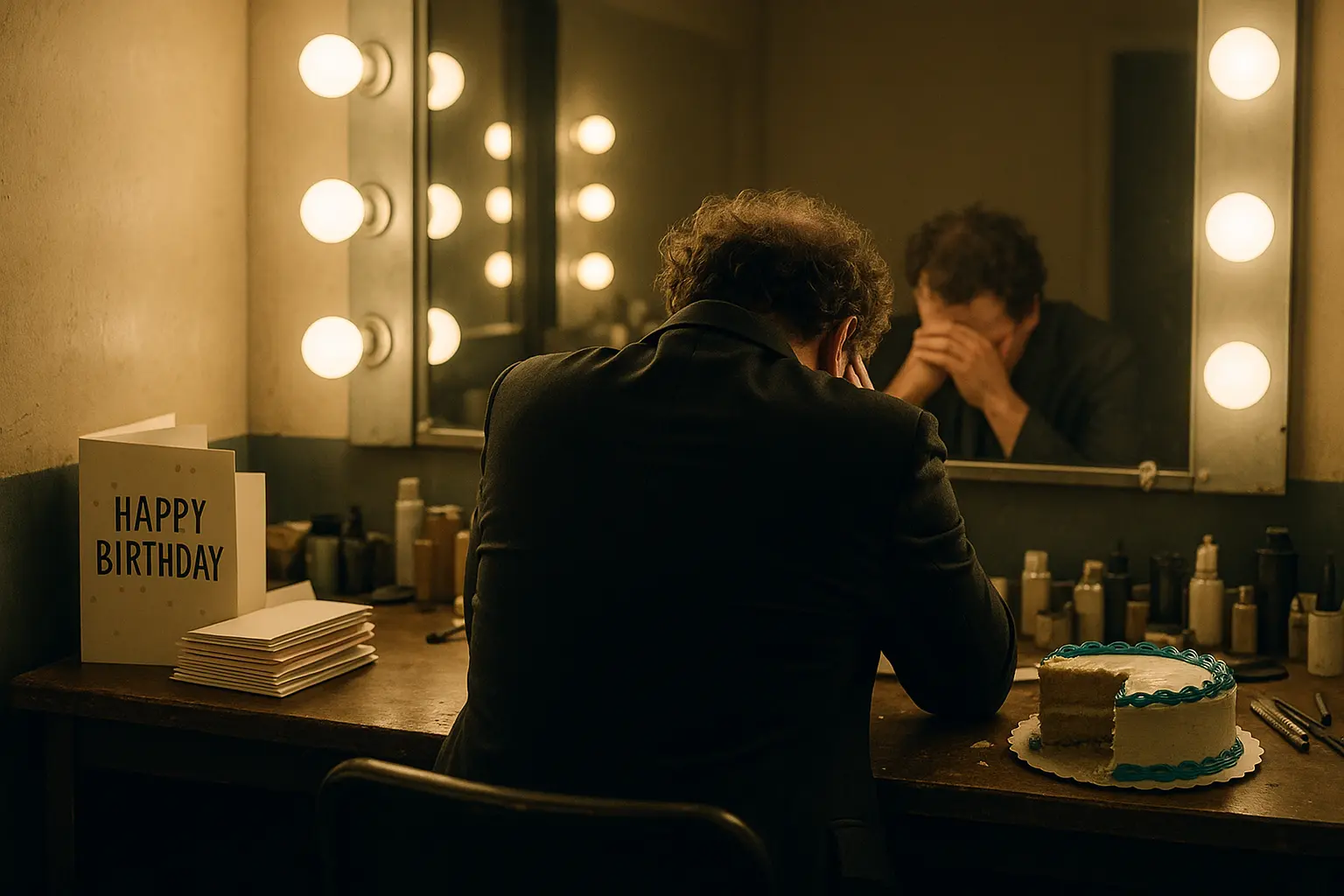
‘I Wouldn’t Do It Again for Any Amount of Money’ – Jim Parsons Exposes the Dark Side of ‘Big Bang Theory’ Fame
“You find yourself so busy chasing the next win, you don’t even realize you’re running yourself ragged,” confessed Jim Parsons on a recent podcast, pulling the curtain back on years of Hollywood perfectionism and relentless stress. News that the beloved ‘Sheldon Cooper’ actor secretly endured deep personal struggles – while the cameras rolled and the paychecks piled in – is sending shockwaves across entertainment and beyond.
Jim Parsons, whose performance powered The Big Bang Theory through twelve blockbuster seasons, is now sharing the personal toll of his meteoric rise. On the surface, he had it all: four Primetime Emmys, a Golden Globe, a fortress-sized bank account, and a legion of fans. But behind closed doors, Parsons admits he was wrestling night and day with anxiety and overwhelming unhappiness despite the accolades (“The Daily Beast”, 2026-07-17).
“Looking back, I don’t know what I thought would happen if I missed one thing on that mental checklist. But it never let up. It was miserable.” – Jim Parsons
The revelation has whipped up fierce debate online, with fans, critics, and former TV insiders questioning the true cost of ‘success’ in a town where burnout is all too common.
Inside Parsons’ Obsessive Perfectionism: The Cycle That Fueled (and Nearly Broke) TV’s Top Nerd
Parsons’ latest candid confessions slice through the glitz and glamour. The Houston native detailed just how intensely his pursuit of perfection spiraled – into what he grimly described as “OCD in nature.” This wasn’t just practice-makes-perfect; it was a rigid, suffocating checklist mentality built on anxiety, guilt, and overwork. Each day on set began and ended with self-imposed rules, rigid routines, and a compulsive devotion to not letting his guard down.
Parsons, now 53, explained how he “missed out on a ton of life” by prioritizing the treadmill of production over any sense of balance. He admits his hard-driving style helped wring every laugh out of his iconic character – but the personal sacrifices eventually dwarfed the rewards. Even with blockbuster contracts and the embrace of millions, the obsessive grind was impossible to sustain. According to a recent report, Parsons maintained an iron-clad regimen, stayed sober for nine years, and constantly policed his own performance with zero margin for mistakes (Infobae, 2026-07-17).
“I wouldn’t repeat those years, not for any amount of money.” – Jim Parsons
Social media lit up instantly after his comments hit the podcast airwaves, with “#BigBangBurnout” trending on X (formerly Twitter) and a virtual tidal wave of fans expressing shock. One user wrote, “No one warned Sheldon that fame can destroy your soul.” Others pushed back, with some scoffing: “Sorry, but it’s hard to pity someone paid millions for comedy.”
Still, Parsons is brutally clear: the obsessive work habits may have fueled historic TV heights, but he’s convinced, “It just wasn’t worth it.”
Hollywood’s Unseen Downside: When Obsession Becomes Prison (And the Big Lessons for America’s Ambitious)
The fallout from these revelations shines a harsh spotlight on modern celebrity culture and the limits of American ambition. Parsons’ journey, while extreme, reads like a cautionary tale for millions raised on the myth that all you need is drive and discipline. He ruefully admits that in prioritizing work at all costs, he missed birthdays, family, and the real experiences that make life rich (Readers.id, 2026-07-17).
No surprise, even industry old-timers are weighing in, blaming Hollywood’s relentless pace and out-of-touch values for the “soulless” atmosphere that chews up – and spits out – even its biggest stars. Some entertainment pundits pointed out that Parsons’ discipline netted “mountains of money” but cost him “his peace of mind,” proving anew that the left-coast establishment’s values are sorely misplaced.
“The lesson here isn’t just for actors. It’s for every kid told to sacrifice everything for a trophy, a title, or a few extra bucks.” – Conservative commentator on Truth Social
Take note: even after becoming the highest-paid TV actor in the country, Parsons today says he wouldn’t go back. As reporting confirms, the cost of that golden hour was simply too high (WTYE/WTAY, 2026-07-16). Despite TV’s notorious left-wing leanings and constant cheerleading for “success at all costs,” Parsons’ experience frames a different truth: boundaries, real values, and healthy skepticism of Hollywood hype might just matter more than fame fever.
No matter what your politics, Parsons’ candid reckoning makes one thing clear: American culture’s obsession with workaholism and perfectionism isn’t just a West Coast problem. It’s a national one. Young people, especially those raised to chase trophies or A-list status, ought to heed the warning. If Parsons, with the world at his feet, admits he was “deeply stressed and miserable,” how many others are grinding themselves into dust for praise that turns into pressure and a paycheck that still can’t buy happiness?
As November’s midterms draw closer and conversations heat up in school boards, town halls, and yes – Hollywood – Parsons’ message is more relevant than ever: The American dream ought to be about freedom and fulfillment, not golden handcuffs or burnout in a business suit.
Will America finally wise up about the real cost of chasing perfection? Maybe Parsons’ truth-telling will help start that conversation, even as a new era dawns under President Trump’s second term.